Thursday, June 2, 2016

101 Essential Oil Uses & Benefits


ways to use essential oilsEssential oils have been used for thousands of years in various cultures for medicinal and health purposes. Essential oil uses range from aromatherapy, household cleaning products, personal beauty care and natural medicine treatments.
The particles in essential oils come from distilling or extracting the different parts of plants, including the flowers, leaves, bark, roots, resin and peels. In ancient times, Jews and Egyptians made essential oils by soaking the plants in oil and then filtering the oil through a linen bag.
Essential oil benefits come from their antioxidant, antimicrobial and anti-inflammatory properties. These healing oils are rapidly growing in popularity because they act as natural medicine without any side effects. Ready to harness the power of the world’s most proven therapeutic compounds? Then let’s talk about 101 ways to use these amazing essential oils.

Essential Oil Uses for Cleaning and Home

  1. All-purpose cleaner: Add three drops each of lemon oil and tea tree oil to a few ounces of warm water, then spray countertops to naturally disinfect.
  2. Natural mosquito repellent: Combine one drop each of lemongrass oil, citronella oil and eucalyptus oil with one teaspoon of coconut oil to make natural bug spray and rub on exposed skin. Reapply as needed.
  3. Sports gear: If your kids play sports, add two drops each of tea tree oil and lemon essential oil to one quart of warm water; next add four tablespoons of baking soda and mix. Use to clean ripe (!) jerseys, cleats and sports gear.
  4. Clean air: Diffuse cinnamon essential oil in the air and enjoy its anti-microbial properties.
  5. Homemade peppermint patties: Use peppermint oil, coconut oil, dark chocolate and raw honey to make real peppermint treats.
  6. Washing machine: Add 10-20 drops of your favorite scent per load.
  7. Vacuum cleaner: Add 5-10 drops of your favorite oil in your vacuum bag or dust container.
  8. Homemade sunscreen: Mix coconut oil, zinc oxide, shea butter, helichrysum oil and lavender essential oil, then store in a squeeze bottle to make homemade toxic-free sunscreen.
  9. Eliminate shower curtain scum: Using a 16-ounce spray bottle, use four drops of eucalyptus essential oil and four drops of tea tree oil (melaleuca) with warm water; spray onto your shower for natural mold killing action.
  10. Clean burnt pans: Use a few drops of lemon oil and some boiling water to help remove burnt food from pots and pans.
  11. Wonderful smelling home: Diffuse clove, rosemary and orange essential oils when guests come over, and they will talk about how amazing your house smells.
  12. Carpet cleaner: Mix 20 drops of tea tree oil with Borax for homemade carpet powder.
  13. Kill pests: Spray orange essential oil and clove oil to kill pests on contact.
  14. Lavender cake: Mix coconut flour, raw honey, organic eggs and lavender essential oil and bake at 350 degrees.
  15. Eliminate mold: Add tea tree oil to your diffuser to kill mold and other pathogens in the air.
  16. Christmas scent: Add a drop of pine, sandalwood or cedarwood oil on a fire log about 30 minutes before burning.
  17. Reduce anxiety: Diffuse lavender essential oil around your home to reduce feelings of stress and tension.
  18. Spiritual enlightenment: Diffuse frankincense essential oil while praying, meditating or reading to increase spiritual awareness.
  19. Bathtub scrub: Mix one-half cup of baking soda, one-half cup of vinegar and five drops of bergamot or lime oil; use as a scrub for a sink or bathtub.
  20. Freshen trash can: Put a cotton ball with two drops each of lemon oil and tea tree oil at the bottom of the trashcan to help decrease the odor and detoxify.
  21. Wash produce: To clean fruit and vegetables, add two drops of lemon oil to a large bowl of water then wash.
  22. Clean kitchen smell: Add a few drops of clove, cinnamon or citrus essential oil to a simmering pan of water to get rid of cooking odors.
  23. Bathroom freshener: Put a cotton ball soaked in lime or lemon oil behind the toilet for a bathroom refresher.
  24. Purify fridge: To freshen up the fridge or freezer when cleaning, add a few drops of lime, grapefruit or bergamot oil to the rinsing water.
  25. Mint tea: Use 1-2 drops of peppermint essential oil in your favorite tea for a hint of mint.
  26. Eliminate smoke: To remove cigarette smoke, put four drops of rosemary, tea tree and eucalyptus oil in a spray bottle and spray around the house.
  27. Detoxify the air: Add peppermint and eucalyptus oil to a gallon of paint to dispel fumes.
  28. Get rid of shoe smell: To remove the smell from shoes, add a few drops of tea tree oil and lemon oil to freshen them up.
  29. Bridal shower gift: For a cute bridal shower gift, create a “love potion” with essential oils. Use 20 drops of sandalwood, and four drops of cocoa, vanilla and rose oil to unscented lotion.
  30. Baby shower gift: Give a wall diffuser with a lavender scent to calm the mom and baby.
  31. Flavored lemon water: Use 2-3 drops of lemon oil in water for a delicious citrus flavor.
  32. Cleaner dishes: Add a few drops of lemon oil to the dishwasher before washing for a spot-free rinse.
  33. Physician kit: Makeover your medicine cabinet and create a family physician kit with essential oils of lavender, lemon, peppermint, tea tree, oregano and frankincense.

    EssentialOilsHome&Cleaning

    Essential Oil Uses For Spa and Relaxation

  34. Improve sleep: Lavender oil can alleviate insomnia. Sprinkle a few drops on your pillow to help you fall asleep.
  35. Body butter lotion: Mix coconut oil, shea butter, magnesium oil and essential oils for moisturizing body lotion.
  36. Homemade lip balm: Combine coconut oil, beeswax and lavender oil for an amazing healing balm for chapped lips.
  37. Relieve tension: Help to relieve anxiety by using a single drop of lavender oil on your hands, rub together, and cup your hands to your nose and let the smell flood your senses.
  38. Massage therapy: Use a few drops of cedarwood or lavender oil, mixed with an unscented lotion during a relaxation massage.
  39. Immediate relaxation: Apply 2-4 drops of chamomile, lavender and peppermint essential oil to your temples for a cooling effect and immediate relaxation.
  40. Detox bath: Mix lavender oil, epsom salts and sea salt to a warm bath to cleanse and rejuvenate the body.
  41. Sauna therapy: Add two drops of your favorite essential oil into two cups of water in a sauna.
  42. Calm upset child: Help sooth and calm children by adding lavender or chamomile to their stuffed animals.
  43. Foot bath: Add a few drops of lemon or eucalyptus oil to a large bowl of warm water to help soothe the feet.
  44. Improve depression: To boost mood and relieve depression, add rose oil to baths, inhalations and diffusers to improve mood.
  45. Yoga and Pilates: To relax during yoga or meditation, inhale lavender or sandalwood before class. Also, mix clove and citrus essential oil to clean yoga mats.
  46. Mint chocolate cocoa: Add 2-3 drops of peppermint oil to hot cocoa for instant minty chocolate!

EssentialOilsSpa&Relaxation

Essential Oil Uses for Skin and Beauty

  1. Reduce cellulite: Mix five drops of grapefruit essential oil with two teaspoons of coconut oil and massage into dimpled areas.
  2. Natural perfume: Use 1-2 drops of jasmine essential oil on your wrist as a fresh natural fragrance. Lavender and vanilla also agree with most women, while cypress and clove work well for men’s cologne.
  3. Acne face wash: To get rid of acne, make a homemade face wash by mixing tea tree oil (melaleuca) with raw honey and rub on your face. Then rinse off with water.
  4. Freshen breath: Use a drop of peppermint essential oil for a natural way to freshen breath.
  5. Homemade shampoo: To make homemade shampoo, mix lavender oil, rosemary oil, aloe vera gel and coconut milk. Use as you would regular shampoo. It lasts 2-4 weeks.
  6. Homemade deodorant: Combine coconut oil, beeswax and your favorite essential oils like cedarwood and clove oil for men and lavender and tea tree oil for women.
  7. Sugar scrub: Mix a few drops of an essential oil with almond oil and rock salt or sugar to make your own salt or sugar scrub.
  8. Homemade toothpaste: Combine sea salt, baking soda, coconut oil and xylitol with peppermint essential oil to make homemade remineralizing toothpaste. Then brush.
  9. Body spray: Add 5-10 drops to four ounces of water and use as a fragrant body spray.
  10. Itchy scalp: Add lavender, cedarwood or basil essential oil to shampoo to reduce itching.
  11. Thicken hair: Add rosemary to shampoo to naturally thicken hair and increase volume.
  12. Strengthen nails: Mix 10 drops of frankincense, myrrh and lemon essential oils into two tablespoons of vitamin E oil, then rub on cuticles.
  13. Reduce wrinkles: Mix 3-5 drops of sandalwood, geranium, lavender and frankincense essential oils with an unscented lotion and apply to face. Avoid applying to eyes.
  14. Teeth whitener: Combine lemon essential oil, coconut oil and fresh strawberries, then rub on your teeth. Rinse after two minutes.
  15. Cure dandruff: Mix five drops of rosemary and lavender essential oils with three tablespoons of unscented oil. Massage into your scalp and leave on for 10 minutes. Shampoo mixture out.
  16. Reduce stretch marks: Mix five drops of frankincense, myrrh and grapefruit essential oils with coconut oil and apply to stretch marks.
  17. Facial scrub: Mix one-fourth cup yogurt, one-fourth cup cornmeal, and five drops of patchouli, grapefruit and lavender oil. Apply to face and wash off.
  18. Natural skin toner: Mix eight ounces of water with two drops of lavender, geranium and frankincense.
  19. Deep hair conditioner: Mix 15 drops of rosewood with five drops of sandalwood and lavender into unscented oil. Place mixture in a small plastic bag and dunk into warm water to heat up. Apply to hair and wrap for 20 minutes. Shampoo as usual.
  20. Reduce age spots: Put on frankincense essential oil three times daily directly on skin to improve sun spots and age spots.
  21. For oily hair: Mix 10 drops of ylang ylang, lime and rosemary oil with two ounces of unscented oil. Massage it scalp 2-3 times per week. Wash out as usual.
  22. Heal dry cracked feet: Add three drops of lavender oil to two tablespoons of coconut oil. Apply to the feet at night and put on some socks.
  23. Relieve nausea: Breathe in peppermint oil through your nose to alleviate nausea, and also apply to your neck and upper chest. Ginger and lavender may also help.

EssentialOilsSkin&Beauty

Essential Oil Remedies and Natural Medicine

  1. Migraine headache relief: Try combining a few drops of lavender oil and peppermint oil and apply to temples to help with headaches and migraines.
  2. Reduce cough or sinusitis: Eucalyptus oil is known for its powerful ability to fight coughs and open airways. Add a few drops into steaming hot water or diffuser. Inhale to help clear nasal passage.
  3. Repair broken bones: To support healing of broken bones, apply helichrysum, fir and cypress essential oils.
  4. Heal burns: Mix lavender oil with aloe vera to treat burns.
  5. Soothe bug bites: Use lavender oil for bug bites and stings.
  6. Improve digestion; Take ginger oil, peppermint oil and fennel essential oil to support digestion and healing leaky gut.
  7. Bronchitis and asthma remedy: Make a homemade vapor rub by combining eucalyptus, peppermint and coconut oil. Rub on your chest and neck.
  8. Treat bruises; Use essential oils as a hot compress to treat bruises or other wounds. Add five drops of lavender and five drops of frankincense to four ounces of hot water and soak. Apply to affected area.
  9. Improve concentration: Inhale bergamot, grapefruit or peppermint oil to increase concentration during the day.
  10. Sore feet soak: Add 10 drops of peppermint oil with a tablespoon of Epson salt and add to a warm-water foot bath.
  11. Reduce teeth grinding: Massage 1-3 drops of lavender on the bottom of the feet and behind ears before bed.
  12. Relieve PMS: Mix two drops of sage, basil and rosemary, then apply to a warm, moist hand towel and apply to abdomen.
  13. Eczema and psoriasis cream: To treat eczema, psoriasis or red dry skin, apply a mixture of lavender essential oil with shea butter.
  14. Improve circulation: Add 8-10 drops of grapefruit essential oil to warm bath water.
  15. Relieve hangover symptoms: Add six drops each of juniper berry, cedarwood, grapefruit, lavender, rosemary and lemon oil into a warm bath.
  16. Curb food cravings: Inhale peppermint and cinnamon oil to reduce your appetite and balance blood sugar.
  17. Energize your workout: Inhale peppermint oil before a workout to reduce fatigue.
  18. Reduce fever: Add 1-3 drops of eucalyptus, peppermint and lavender to a cool cloth and sponge the body.
  19. Relieve motion sickness: Use peppermint, lavender and ginger oil to reduce motion sickness.
  20. Arthritis relief: Mix two drops of wintergreen, cypress and lemongrass into an unscented lotion. Massage into affected areas.
  21. Treat ringworm: Combine three drops of tea tree oil with coconut oil and massage over the affected area twice a day.
  22. Head lice cure: Mix three drops of thyme, lavender and eucalyptus oil with unscented oil and apply to scalp. Cover head with a shower cap and leave on for 30 minutes. Shampoo out.
  23. Heal blistered skin: Mix two drops of tea tree oil with two drops of unscented oil and apply to the blistered area up to five times per day.
  24. Soothe a sunburn: Combine lavender or chamomile oil with one tablespoon of coconut oil and apply to the skin with a cotton ball to reduce swelling and pain.
  25. Treat poison oak or poison ivy: Mix three drops of peppermint oil with unscented oil and apply to affected area.
  26. Lose weight: Combine grapefruit, ginger and cinnamon oil and take as a supplement three times daily to support metabolism.
  27. Boost immune system: Mix one drop of oregano oil with four drops of carrier oil and rub on the bottom of your feet before flying on a plane.
  28. Achy muscle rub: Mix eucalyptus, wintergreen and cypress with an unscented lotion or coconut oil and apply to muscles.
  29. Reduce morning sickness caused by pregnancy: Add a few drops of wild orange, lemon or ginger oil to a handkerchief and inhale.
  30. Improve allergies: Rub frankincense and lavender on your palms and inhale deeply to relieve itchy eyes and throat.
  31. Kick a cold fast: Take three drops of oil of oregano and frankincense three daily for one week.
  32. Reduce back and neck pain: Combine peppermint, cypress and ginger oils with cayenne pepper and coconut oil for a homemade pain relieving muscle rub.

EssentialOilsNaturalMedicine

Essential Oil Quality

This is one of the most vital things you must know about essential oils: Not all essential oils are created equal. In fact, most of them are worthless to your health and often synthetic. Therefore, when buying essential oils, make sure they are certified pure therapeutic grade. If you want to order the brand I trust and personally use, email oils@draxe.com to order or learn where to buy them.
To learn more about how to use essential oils, check out this free, in-depth Essential Oils Guide.

Source: http://draxe.com/essential-oil-uses-benefits/


Tuesday, May 17, 2016

Ashwagandha Benefits Thyroid, Adrenals And Boosts Metabolism

Dr. Josh Axe, Dr.AxeThyroid Nation
Ashwagandha-Benefits-Thyroid-Adrenals-And-Boosts-Metabolism

If you are looking to restore your energy, look younger, and reverse disease, then ashwagandha may be the herb you’re looking for. As you’re about to see, ashwagandha benefits are impressive.


Ashwagandha, is an adaptogenic herb popular in Ayurvedic medicine that has shown incredible results for lowering cortisol and balancing thyroid hormones. In India, ashwagandha is known as the “strength of the stallion” since it has traditionally been used to strengthen the immune system after illness.
Ashwagandha has also been referred to as Indian ginseng because of it’s ability to enhance stamina and has extraordinary stress relieving properties.

There have been over 200 studies on Ashwagandha’s ability to:

  • Improve thyroid function
  • Support adrenal glands
  • Assist with metabolism
  • Reduce anxiety and depression
  • Combat effects of stress
  • Reduce brain cell degeneration
  • Stabilize blood sugar
  • Lower cholesterol
  • Boost immunity
In this article, I’m going to discuss the benefits of ashwagandha in healing your thyroid, adrenal glands, improving mood, and supporting brain health.

Heal Your Thyroid

UnknownAshwagandha is a superstar when it comes to improving the health of your thyroid. Scientists don’t completely understand how adaptogens work, but we know that they can be extremely effective especially at balancing hormones.
One of the most incredible aspects about adaptogenic herbs like ashwagandha is that it can help people with both hypo and hyper thyroid issues.  It has been shown to support a sluggish thyroid for people diagnosed with Hashimotos, and has been shown to improve the health of those with an overactive thyroid or Graves disease.
Adaptogenic herbs work with your body, to bring you back into balance, whether your levels are high or low.
Animal studies reveal ashwagandha has a thyroid hormone balancing effect. In a 20 days study mice were give ashwagandha and their T3 and T4 levels were analyzed along with lipid peroxidation (anti-oxidant protection). Significant increases in serum T4 were found which indicates this herb has a stimulatory effect on a sluggish thyroid.
Also, ashwagandha may benefit thyroid function because it greatly reduced lipid peroxidation by promoting scavenging of free radicals that cause cellular damage. These results prove ashwagandha can be useful in treating hypothyroidism.
There are currently millions of people who struggle with thyroid problems (many who don’t even know it) and ashwagandha may just be the solution they are searching for.

Adrenal Rejuvenation

Ashwagandha has also been proven effective in supporting adrenal function helping you overcome adrenal fatigue and chronic stress.
Your adrenal glands are endocrine glands that are responsible for releasing hormones (cortisol and adrenaline) in response to stress on your body.
If your adrenals are overtaxed due to an overabundance of emotional, physical, and mental stress it can lead to a condition known as adrenal fatigue. As you can see from this chart below, if your adrenals become exhausted it can also disrupt your other hormones including progesterone which can cause infertility and lower DHEA which can cause you to age faster.
                                        adrenaljoshaxe
Medical studies have shown that ashwagandha improves cortisol levels, improves insulin sensitivity and naturally balances hormones. A case study reported a case of a 57-year-old woman with non-classical adrenal hyperplasia.  She was treated with ashwagandha for 6 months and after her treatment she saw improvements in 4 adrenal hormone markers including corticoosterone and 11-deoxycortisol which decreased by 69% and 55% respectively, which is a major improvement!
This hormonal improvement was also accompanied by a noticeable reduction in hair loss.

Ashwagandha Benefits Brain Health

Emotional, physical, and chemical stress can all have damaging effects to the brain and nervous system. Recent research has proven ashwagandha is more than a stress reliever, it also protects the brain from degeneration and improves symptoms of alzheimer’s, depression, and anxiety.

One of the main reasons ashwagandha is so effective at healing the brain has to do with it’s powerful antioxidants that destroy free radicals that cause aging. A study published in Phytotherapy Research explain these benefits:
Several studies have revealed that natural antioxidants, such as vitamin E, vitamin C and beta-carotene, may help in scavenging free radicals generated during the initiation and progression of this [Alzheimer’s] disease.  But we found Ashwagandha afforded lipid peroxidation inhibitory effects more potent than commercial antioxidants.
Researchers at the National Brain Research Centre found that mice with alzheimer’s were unable to retain what they learned, but after 20 days of supplementing with ashwagandha, this improved significantly. The results of the study found:
A reduction in amyloid plaques (these cause degradation of the brain)

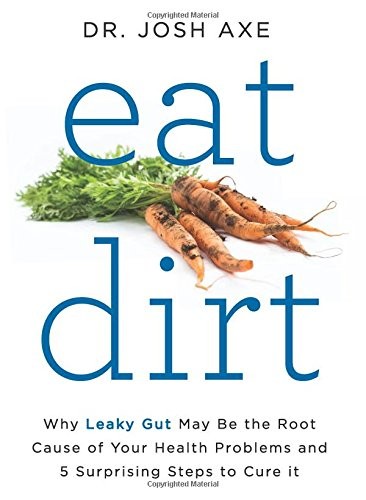
eatdirtImproved Brain Function and Learning

There is also now, evidence that ashwagandha is effective at treating both anxiety and depression. In fact, in a recent study it’s results were comparable to common pharmaceutical drugs lorazepam and imipramine without the side effects.
In the 12-week controlled study, 87 participants with anxiety were given 300mg of ashwagandha two times a day or two placebo pills two times per day. The group treated with ashwagandha resulted in much greater improvements in anxiety as well as focus, reduced stress, and decreased fatigue than the placebo group.
The other major benefit of ashwagandha is that there are no adverse reactions by taking it compared to anti-depressant and anti-anxiety medications which can have terrible side effects.

Ashwagandha Usage

As you can see, ashwagandha is an adaptogenic superstar that can have some tremendous health benefits. I recommend supplementing with 500mg 1-2x daily along with following a diet high in healthy fats, protein, and fiber as well as removing grains and sugars from your diet.
These dietary changes along with supplementing with ashwagandha can help you see great results in aging slower, reducing stress, balancing hormones, boosting energy and metabolism, and improving neurological health.

                               About the Authorjosh axe

Dr. Josh Axe is an expert in nutrition and natural medicine and the author of the real food diet and founder of the burstfit interval fitness program. He has worked with many professional and olympic level athletes and operates one of the largest health websites in the world with DrAxe.com. Dr. Axe is a board certified clinical nutritionist and has earned his CNS from the American College of Nutrition. Find him on Facebook, Twitter and Pinterest


See More:  http://thyroidnation.com/ashwagandha-thyroid-adrenals-metabolism/

Thursday, March 31, 2016

Senna Benefits and Information

Senna (Senna Alexandrina)

Senna Benefits
Senna is a herb that is generally used for its laxative properties. Senna formerly, plants in Cassia (genus)is also known as wild senna, cassia marilandica, or locust plant. It works by interacting with the bacteria in the digestive track, resulting in intestinal contractions. These contractions are caused by the anthraquinone that is contained in senna. These dimeric glycosides anthraquinone derivatives are known as Senna glycosides or sennosides. They are named after their abundant occurrence in these plants of the genus Senna. The main forms of these glycosides are often referred to by: A, B, C & D. Both leaves and pods of the senna plant are used for their laxative effects. The pods are less potent than the leaves.

 Senna is found in many tropical countries. The plant has been used in India for thousands of years as a laxative. It can be found in capsule and tablet form, tea bags and loose tea, as well as liquid extracts. The undiluted dried root can be found in health food stores.

How Does Senna Work?

Senna contains glycosides, which are a group of organic compounds that are commonly found in plants. These compounds work as a laxative by smoothing the muscles as digested food moves through the intestines. This helps to enhance the stool volume and move it out of the colon. The process is caused by the chain of fatty acids that promote digestion, fermentation, and successfully converting the glycosides into a purgative agent.

How to Use Senna  Image result for senna leaf

Senna is generally used by people suffering from constipation. For relief, a person should take ½ teaspoon of the liquid, or one 50 or 100 mg capsule or tablet. After taking the Senna, a bowel movement should occur within six to 12 hours. There is also a tea available, but since Senna has an unpleasant taste naturally, it is good to mix the tea with another flavor of tea.
Senna is the ingredient in the commercial laxative suppository called Senokot. The suppositories are inserted into the rectum for constipation relief.

Senna Tea


Many people like to take herbal preparations in the form of a tea. Senna tea comes in teabags and can be found in health food stores, but some people like to use the loose leaves of Senna and brew the tea themselves. Steep the leaves in a pot of boiling water for approximately ten minutes. The leaves can also be put in cold water and steeped for 10 to 12 hours. Using cold water to steep the leaves will leave less resin in the tea, so the chances of abdominal cramping will be reduced. Regardless of the method used, once the tea is ready, strain and drink. When relieving constipation with Senna tea, it will take up to 12 hours to get relief. It is recommended to take before bedtime, so that relief can occur in the morning.
A common preparation is to boil 100 grams of the tea leaves in distilled water with 5 grams of fresh ginger that has been sliced. Cover and steep for 15 minutes, strain, and drink while hot. Make only the amount to drink, as the Senna tea gets stronger if it sits, and can lead to abdominal cramping. Other carminative herbs that mix well with Senna are peppermint and fennel. When sensitive stomachs are an issue, making the tea from the Senna pod rather than the leaves produces a milder tea as the pods are less potent than the leaves.


Senna Herb Notes / Side Effects

When using Senna tea, never drink it for more than seven consecutive days. Also, it should not be used by pregnant women or if the women are nursing. Do not give Senna tea to children under 12 years of age.
Senna is a relatively strong laxative, and should be taken in moderation only for the period when a cure is needed. It has been known to be habit forming, so it should not be used daily. If constipation is extreme, medical attention should be sought. Do not continue to use Senna as a way to prevent constipation from occurring.
There are times when Senna should not be taken. People suffering from intestinal blockage, Crohn’s disease, ulcerative colitis, hemorrhoids, or ulcers should not take Senna. Anyone on heart medication of any kind should consult their physician before taking Senna, as is can interfere with the medications and cause irregularities in the heart. Senna should not be taken if taking a diuretic because it can result in an excessive depletion of potassium from the body.
Sometimes diarrhea can occur when taking Senna. Always start with a lesser dose until the body’s response to the effects of Senna is known.


Source:  http://www.herbwisdom.com/herb-senna.html

Fenugreek: What Is It and What Is It Good For?

I first heard of Fenugreek over 20 years ago when I had my third child.  I was a nursing mom. and I believed strongly (still do ) in the use of herbal remedies. I was told Fenugreek would bring my breast milk in fuller and richer.  It was also good to drink when  a baby got sick as it gets rid of mucous off a sick child's chest.  It was my go too and really worked.  Worked so much that my milk was overflowing..lol.  It really did help my baby with colds and fever.  I recommended it to anyone having issues with milk production and who had a sick baby.

Fast forward to the present.  Fenugreek has many more uses.  It is rich in minerals, used for glycemic control in diabetics, inhibits the growth of some cancer cells and much more.   The following article gives more detailed information about the benefits of Fenugreek.


What Is Fenugreek Good For?Fenugreek  Nutrition Facts

Fenugreek


Fenugreek  Nutrition Facts
Botanical name: Trigonella foenum-graecum

Fenugreek is one of the oldest cultivated medicinal plants native to southern Europe and Asia. The name itself has an exotic ring, and it should, as widely traveled as it is. A very popular plant grown throughout Mediterranean regions, Argentina, North Africa, France, India, and the U.S., fenugreek is mentioned in detail in Egyptian papyrus writings circa 1500 B.C. Because it’s been used in so many cultures, this is one herb with a lot of different monikers: bird’s foot, Greek hay, and bockshornsame are a few.

An annual plant about two feet tall, this herb is also considered a legume. It produces light green leaves similar to clover, small white flowers, and long pods each containing 10 to 20 small, hard, golden-brown seeds. The seeds have a pungent aroma and fairly bitter taste, described as similar to burnt celery.

While it’s also known for dying textiles, fenugreek’s many food uses – not to mention curative aspects – indicate how versatile this plant and its derivatives can be. The tender leaves and shoots can be added to salad greens, and the extract is used for marinades as well as imitation vanilla, butterscotch, rum, and maple syrup flavoring.

Ground to a fine powder, fenugreek seeds are a favorite ingredient in Indian curries, but can add tasty pizzazz to any bland dish. Fenugreek seeds also make it onto the ingredient list in everything. They’re even roasted and ground to make coffee.

After purchasing, fenugreek can be stored in a cool, dry place for up to six months.


Health Benefits of Fenugreek


Fenugreek seeds are rich in minerals such as iron, potassium, calcium, selenium, copper, zinc, manganese and magnesium. In the vitamin department, it contains thiamin, folic acid, riboflavin, pyridoxine (vitamin B6), niacin, and vitamins A and C. There are also polysaccharides: saponins, hemicellulose, mucilage, tannin, and pectin, which help lower LDL (bad) cholesterol levels by discouraging bile salts from absorbing into the colon, while at the same time binding to toxins so they can be escorted from the body. The amino acid 4-hydroxy isoleucine in the seeds helps lower rate of glucose absorption in the intestines, which lowers blood sugar levels in patients with diabetes.

It’s notable that 100 grams of fenugreek seeds contain about 323 calories, and that the fiber content is quite high, which may have something to do with one traditional use for this product in the Middle East – to gain weight. Areas of the Middle East and North Africa are noted for grinding the seeds into a paste to be taken with sugar and olive oil. The seeds also add to digestive bulk, which helps prevent constipation. The paste is also applied topically to fight infection and inflammation in wounds, and the herb portion is used to treat diarrhea and stomach ulcers.

Fenugreek contains choline, which studies show may not only help slow mental aging, but also calm PMS and symptoms of menopause. Fenugreek is also considered an aphrodisiac, and plenty of studies tout its ability to increase libido in men.

There are also those who attribute to fenugreek the ability to promote breast growth in women, although no studies prove it decisively. But another key compound, diosgenin, has been shown to increase milk flow, which makes this herb very popular among breastfeeding mothers. However, fenugreek can cause uterine contractions, so it’s advised that pregnant women avoid fenugreek in any form.

Research also indicates that the diosgenin in fenugreek may play an important part in inhibiting several types of cancer.

Fenugreek Nutrition Facts
Serving Size: One oz. of fenugreek (28 grams)
Amt. Per Serving
Calories  ............................................................................................................71
Carbohydrates ..................................................................................................18 g
Fiber ...................................................................................................................7 g
Protein ...............................................................................................................3 g
Fat .....................................................................................................................1 g


Studies Done on Fenugreek


A double blind placebo controlled study was conducted on 25 newly diagnosed patients with type 2 diabetes to determine the effects of fenugreek seeds on glycemic control and insulin resistance in mild to moderate type 2 diabetes mellitus. After two months, blood glucose levels as well as insulin were significantly lower.

The conclusion: the use of fenugreek seeds improves glycemic control and decreases insulin resistance in mild type 2 diabetic patients, with a favorable effect on hypertriglyceridemia (associated with an increased risk of cardiovascular events and acute pancreatitis) as well.1

In another study, scientists demonstrated that fenugreek seed extract (FE) are cytotoxic in vitro to certain cancers, but not normal cells. Treatment with 10-15 ug/mL of FE for 72 hours inhibited the growth of breast, pancreatic and prostate cancer cell lines, at least in part due to induction of cell death. Researchers noted that fenugreek is one of many “dietary components” with therapeutic potential.2

Fenugreek Healthy Recipes: Red Lentils with Fenugreek or Methi Dal
                                                                    Fenugreek  Healthy Recipes

Fenugreek  Healthy Recipes
Ingredients:

     1 Tbsp. coconut oil or ghee (clarified butter)
     ½ tsp. cumin seeds 
     1 Thai chili or jalapeno, slit 
     1 small onion, diced 
     1 Tbsp. minced ginger 
     1 Tbsp. minced garlic 
     1 cup red lentils 
     3/4 tsp. ground turmeric 
     1 cup fresh fenugreek leaves (or substitute 2 Tbsp. dried fenugreek)
     1 Tbsp. lemon juice 
     Salt 

Procedure:

Heat oil in a medium saucepan. Add cumin and chili into oil. When the cumin sizzles, add onion and sauté on medium heat until onion is soft. Add ginger and garlic and cook for 2 more minutes.
Add lentils and turmeric to saucepan and stir. Pour in 4 cups of water and bring to a boil. Reduce heat to low, cover and simmer until lentils are cooked - about 12 minutes.
Meanwhile, wash fenugreek leaves and tender stems, discarding the rest. Measure 1 cup of fenugreek greens to stir into the dal for 2 minutes toward the end of cooking. Stir in lemon juice, and salt. Use as a topping over seasoned basmati rice or rice noodles. 

Fenugreek Fun Facts

Being one of the spices used by ancient Egyptians in their embalming ceremonies, prolonged ingestion of fenugreek is widely noted for its ability to change the odor of perspiration and urine to smell like maple syrup.

Summary

An ancient herb from Asia and Southern Europe, fenugreek leaves and seeds are loaded with vitamins and minerals. These are valuable for their use not only in foods, but also in traditional and modern medicine around the world.

One of fenugreek’s basic herbal uses is to stimulate milk production in breastfeeding women, as well as inducing childbirth, containing phytoestrogens or plant chemicals similar to the female sex hormone estrogen. Other uses include relieving digestive problems and menopausal symptoms, but lately it’s had a resurgence in interest as an aphrodisiac. Fenugreek is also used as a remedy applied to the skin to treat infections and inflammation.

Roasting and grinding of fenugreek seeds are advised before food use. Studies show it not only has the ability to lower blood sugar levels but fight cancer. Try grinding a few tablespoons into your next stir fry or soup. You might discover a new secret ingredient.

Other sources:

https://nccih.nih.gov/health/fenugreek
http://www.breastfeedingonline.com/fenugreek.shtml
http://www.aafp.org/afp/2007/0501/p1365.html
http://margaret.healthblogs.org/?s=fenugreek
http://www.foodreference.com/html/artfenugreek.html
http://www.naturalnews.com/036020_fenugreek_aphrodisiac_testosterone.html

References:

1 http://www.ncbi.nlm.nih.gov/pubmed/11868855, Effect of Trigonella foenum-graecum (fenugreek) seeds on glycaemic control and insulin resistance in type 2 diabetes mellitus: a double blind placebo controlled study, Jan. 2013
2  http://www.ncbi.nlm.nih.gov/pubmed/19197146, Fenugreek: a naturally occurring edible spice as an anticancer agent, Jan. 2013

Friday, February 26, 2016

Guinea Hen Weed: A Powerful Jamaican Herb

<script async src="//pagead2.googlesyndication.com/pagead/js/adsbygoogle.js"></script>
<script>
  (adsbygoogle = window.adsbygoogle || []).push({
    google_ad_client: "ca-pub-1442557238614988",
    enable_page_level_ads: true
  });
</script>


I recently ran out of my thyroid medication. I was in pain for days, when the grandmother ( visiting form Jamaica) of a friend of mine told me to get some Guinea Hen Weed. I heard in the past that it was good for you. It is one of the many herbs I have in my pantry in tea bag form, but have never used yet. So I decided to steep a cup.


Well, I certainly felt an immediate difference. I wasn't in as much pain and I did feel a slight boost in energy and it is probably why I can't sleep now . So maybe one should refrain from taking it before bed. I figure while I am up , let me look up this Guinea Hen Weed. I was pleasantly surprised to see it is a cancer fighter, helps with diabetes, a stimulant to the immune system, and a pain reliever and much more . It explains why I feel the way I do after drinking a cup. I can imagine if I had the actual Plant instead of the tea bag I would feel stronger effects. (Warning: Do not take if pregnant).

Here is an article I found from The Jamaican Gleaner about this wonderful herb.


Guinea Hen Weed: A Powerful Jamaican Herb

Source :http://jamaica-gleaner.com/gleaner/20111018/news/news4.html

GUINEA HEN weed, known to South Americans as anamu, is a herb that is indigenous to induce abortion in the Amazon rainforest and the tropical areas of the Caribbean, Central and South America and Africa. Its botanical name isPetiveria alliacea. In Jamaica, it has several names - guinea hen weed, guinea hen leaf, garlic weed or gully root.


Anamu has a long history of use in herbal medicine in all the countries where it grows. Herbalists and natural health practitioners have traditionally used anamu for a wide variety of conditions including arthritis, digestive disorders, infections, diabetes, cancer, pain relief and even to induce abortions.


Over the past quarter of a century, however, modern scientific research has studied anamu intensively and many biologically active compounds have been discovered in the plant: flavanoids, triterpenes, steroids, and sulfur compounds. The research published on anamu now validates many of the historical uses of this herb.


Interestingly, the researchers found that of the 20 compounds isolated from the plant - several of which had never been identified in nature before - some were similar to compounds found in garlic, a plant known to have medicinal properties.


Anamu kills cancer cells - Laboratory investigations show that anamu retards the growth of several strains of cancer and leukemia cells. In a plant screening programme performed at the University of Illinois at Chicago, more than 1,400 plant extracts were evaluated for the prevention and treatment of cancer. Anamu was one of only 34 plants identified with active properties specifically against cancer.


How does anamu work against cancer?


Several phytochemicals in anamu like astilbin and dibenzyl trisulphide have been documented to directly kill cancer cells. Research showed further that the compounds in anamu were able to differentiate between normal cells and cancer cells, killing only the cancerous cells. In addition, other substances in the herb stimulate the body's natural defences as described below.


Anamu stimulates the immune system - Anamu has also been verified to have immunostimulant properties. It stimulates the immune system to increase its production of lymphocytes and natural killer cells - powerful disease-destroying cells. At the same time, it increases the production of interferon and interleukins - substances naturally produced by the immune system in fighting cancers and infections.


Anamu fights infections - It demonstrates broad spectrum antimicrobial properties against numerous bacteria, viruses, fungi and yeast. Compounds in anamu directly kill and or inhibits the growth of these germs. Interestingly, many alternative medicine practitioners believe that infection plays a major role in many cancers. Anamu is widely used in folk medicine for treating infections.


Anamu relieves pain - Its traditional use as a remedy for arthritis and rheumatism has been validated by clinical research that confirms its pain relieving and anti-inflammatory effect. Researchers in Sweden demonstrated its COX-1 inhibitory properties (cyclooxogenase-1 inhibitors are a new class of popular and profitable arthritis drugs). Anamu extracts have been found to relieve pain and inflammation even when applied topically to the skin.


Anamu lowers blood sugar - While anamu has not been widely researched for diabetes, it had been documented to lower blood sugar levels by more than 60 per cent in laboratory animals. This reflects herbal medical practice in Cuba where anamu has been used as an aid for diabetes for many years.


Contradictions to anamu


Anamu has been found to cause contractions of the uterus that can lead to abortions and miscarriages. As such, it should not be used by pregnant women.


Anamu contains a low concentration of a blood thinner called coumadin. People with any bleeding disorder like hemophilia or who are on blood thinning medication should consult their health-care provider before using anamu.


Directions for use


I recommend using organically grown anamu herb, free of insecticides, herbicides and other pollution.


One heaping tablespoonful of the whole powdered anamu plant is diffused in one litre of hot water. The resulting tea is drunk preferably on an empty stomach. An average dosage is four ounces (about half a cup) twice daily.


My experience


I myself was introduced to anamu by a Jamaican oncologist, (a doctor specialising in treating cancer), who had seen good results in some of her patients who used this herb. I thank her for her generosity in sharing the information. I had also heard impressive stories from Jamaican men with prostate cancer who had benefited from its use.


After doing my own research, I now use it regularly in my practice and find it to be a useful, safe, inexpensive addition to a cancer-treatment programme, as well as in the treatment of the other conditions listed above.


Reminder and warning


Many persons are desperately looking for a quick fix - a magic bullet that will miraculously cure their illness. The reality is that there is no quick fix. Like so many useful herbs, anamu will give best results when combined with optimal nutrition, nutritional supplements, exercise, detoxification, stress management and adequate restful sleep.


It must be a part of a programme of healthy lifestyles. It may also be used along with conventional medicines without disturbing their effects. If you have a serious medical condition, do not self medicate without the assistance and guidance of a qualified health practitioner.


Source :http://jamaica-gleaner.com/gleaner/20111018/news/news4.html

Friday, February 12, 2016

Low B12 Seen in Aging, Autism and Schizophrenia


by Christopher Wanjek | February 10, 2016 02:40pm ET


Credit: Sebastian Kaulitzki/Shutterstock.com
View full size image

The brains of the elderly and younger people with autism and schizophrenia may share a common link: Both have low levels of vitamin B12, researchers say.

The facts that blood levels of B12 do not always mirror brain levels of the vitamin, and that brain levels decrease more over the years than blood levels, may imply that various types of neurological diseases — such as old-age dementia and the disorders of autism and schizophrenia — could be related to poor uptake of vitamin B12 from the blood into the brain, the scientists said.


The findings, reported last month in the journal PLOS ONE, support an emerging theory that the human brain uses vitamin B12 in a tightly regulated manner to control gene expression and to spur neurological development at key points during life, from the brain's high-growth periods during fetal development and early childhood, through the refining of neural networks in adolescence, and then into middle and old age.

Vitamin B12, also called cobalamin, plays a crucial role in blood formation and the normal functioning of the nervous system. The vitamin is found in foods derived from animal sources, although some plant-based foods can be fortified with B12. [6 Foods That Are Good For Your Brain]

In the new study, scientists led by Richard Deth, a professor ofpharmacology at Nova Southeastern University in Fort Lauderdale, Florida, examined the brains of more than 60 deceased individuals, ranging in age from a fetus in a late stage of gestation to 80 years. The study included 12 people who had autism and nine with schizophrenia.

This is the first study to compare the levels of vitamin B12 in the brain across the human lifetime, Deth told Live Science. The vitamin B12 levels in the brain were 10 times lower in the oldest people compared with the youngest, reflecting a gradual, natural, and consistent decline over the years.

For the elderly, this decline might not be a bad thing. Lower levels at advanced ages may offer some degree of brain protection by slowing cellular reactions and the production of DNA-damaging chemicals called free radicals, Deth said. In previous work with his colleague Yiting Zhang of Northeastern University in Boston, Deth found that the body's creation of biologically active forms of vitamin B12 produces free radicals as a waste product.

But levels of B12 that are too low can be detrimental. "At some point, an extreme decrease in metabolism…is not compatible with cell survival," Deth said. Similarly, lower vitamin B12 levels can have negative consequences for people of younger ages, as the brain is still developing. Deth's group found that the levels of vitamin B12 in the brains of young people with autism and in middle-age people with schizophrenia were about one-third of the levels found in similarly aged people who did not have these neurological conditions.

The people in the study with autism, who were all under age 10, had levels similar to those found in a 57-year-old. It's not clear what these low levels imply, but the uptake of too little B12 might hinder the brain's ability to establish important neural connections between regions, Deth said.

Those with schizophrenia, all between ages 36 and 49, had levels similar to those found in a 72-year-old. Although their brains were mature by this age, the below-normal level may have manifested itself during adolescence, when the seeds of schizophrenia are thought to take root. But even in middle age, the lower levels may contribute to a loss of previously normal function, Deth said.

Daniel Smith, a neurologist and vice president of innovative technology at Autism Speaks, an autism advocacy group based in New York that sponsors autism research, who was not involved in this research, said the study was interesting and worth pursuing further. However, he noted that the study remains speculative in its hypothesis that vitamin B12 deficiencies at a cellular level lead to changes associated with theautism spectrum of brain traits.

Numerous studies have searched for an association between vitamin deficiencies and neurological disorders. There has been no definitive study, however, indicating that autism and schizophrenia can be caused by a deficiency or treated through vitamin supplementation.

In fact, a study published last year in the Journal of the Academy of Nutrition and Dietetic found that few children with autism benefit from vitamin supplements and may be at risk for overdosing.


Follow Christopher Wanjek @wanjek for daily tweets on health and science with a humorous edge. Wanjek is the author of "Food at Work" and "Bad Medicine." His column, Bad Medicine, appears regularly on Live Science.

Thursday, February 11, 2016

WHY BAKING SODA IS ONE OF THE GREATEST THINGS YOU COULD USE. HERE IS WHAT YOU DIDN’T KNOW BAKING SODA COULD DO


Baking soda is likely the most inexpensive health remedy in the world. It is effective at combating everything from colds to cancer, as well as beneficial for oral health, deodorants and so much more. If it’s one thing you want in your home pharmacy, its baking soda. Health benefits of baking soda include reduced risk and prevention of diarrhea, metabolic acidosis, acidity, peptic ulcer, and drug in-toxification. It has anti-ich or antipruritic properties which help in maintaining healthy skin. It is effective home remedy in cold and flu and plaque removal. It is a good source of sodium – prevents hyperkalemia, bladder infection and kidney stones. In this article we are going to talk about baking soda uses that you haven’t heard before:
Old Wives’ Remedy
After an intensive and hard exercise, you can drink a mixture of water and baking soda, to relieve your muscles.
Put some baking soda on a used nail brush and use it to scrub your nails to remove grime and nail fungus.
Make a mixture out of: 3 tbs. baking soda, 1 tbs. peppermint essential oil, 1 tbs. salt and warm water. Use this mixture to soak your hands and feet for 20 minutes, to relieve itching, soreness and odor.
Mix a baking soda with water and use it to gargle with it. It will make your breath fresh.
Use it as toothpaste. Sprinkle some baking soda on your toothbrush and brush your teeth with it. It’s the best home remedy for teeth whitening.
WHY BAKING SODA IS ONE OF THE GREATEST THINGS YOU COULD USE. HERE IS WHAT YOU DIDN’T KNOW BAKING SODA COULD DOWHY BAKING SODA IS ONE OF THE GREATEST THINGS YOU COULD USE. HERE IS WHAT YOU DIDN’T KNOW BAKING SODA COULD DO
You can use baking soda scrub to remove excess facial oil and dead skin cells on your face. You need to mix 1tbs. baking soda with 1 tsp. water and use it to gently scrub your face.
You can use baking soda to relieve bee stings, insect bites, itching from poison ivy, oak, etc.
Make a baking soda-water mixture and apply it to canker sores and herpes. It will dry them out very fast.
Home Remedies For Acid Reflux
You need to mix ½ tsp. baking soda with 2 tbs. of fresh lemon juice or organic apple cider vinegar. You should use a bigger cup to make this mixture, because it will fizz. Wait until the bubbling stops and then add 8 oz. water. You have to drink this remedy all at once. This mixture will neutralize the pH, it will help you relieve acid reflux and create and alkaline-forming environment in your body.
You can also use baking soda to relieve heartburn and GERD symptoms. All you have to do is mix ½ tsp. baking soda with 16 oz. water.
Other Baking Soda Home Remedies
In his book, Sodium Bicarbonate, Dr. Mark Sircus explains the findings of Dr. Simoncini, which are related with cancer overgrowth and explores alternative treatments with baking soda. Dr. Mark explains that if you wish to prevent systematic fungal infections and protect yourselves from diabetes and cancer, you should use a mixture of baking soda and molasses.
Mix baking soda and water and gargle with it. It will remove all the oral thrush.
Drink 8 oz. water mixed with ½ tsp. baking soda, twice a day. It will help you treat urinary tract infection.
You can also use baking soda mixture with lemon juice or apple cider vinegar to relieve a thrombosis.
Douche with a mixture of 1 tbs. baking soda mixed with warm water to kill Candida yeast and stop itching.
Warnings:
Baking soda remedies should not be used by pregnant or nursing women or children under the age of 5. You should be very careful when you use baking soda. Even though is safe when it’s used as directed, still, baking soda can cause some undesired side effects, especially when it interacts with prescription medications. That’s why you have to consult your doctor before you start using these baking soda home remedies. Another important thing you should know is that you can use baking soda after it’s been dissolved in liquid, never in its dry form. You should not use baking soda home remedies if you are on a low sodium diet, because it may deplete your body of essential vitamins and minerals. Also remember, don’t use baking soda remedies more than 14 days without consulting your doctor.
http://www.healthadvisorgroup.com/why-baking-soda-is-one-of-the-greatest-things-you-could-use-here-is-what-you-didnt-know-baking-soda-could-do-2/