Thursday, March 31, 2016

Fenugreek: What Is It and What Is It Good For?

I first heard of Fenugreek over 20 years ago when I had my third child.  I was a nursing mom. and I believed strongly (still do ) in the use of herbal remedies. I was told Fenugreek would bring my breast milk in fuller and richer.  It was also good to drink when  a baby got sick as it gets rid of mucous off a sick child's chest.  It was my go too and really worked.  Worked so much that my milk was overflowing..lol.  It really did help my baby with colds and fever.  I recommended it to anyone having issues with milk production and who had a sick baby.

Fast forward to the present.  Fenugreek has many more uses.  It is rich in minerals, used for glycemic control in diabetics, inhibits the growth of some cancer cells and much more.   The following article gives more detailed information about the benefits of Fenugreek.


What Is Fenugreek Good For?Fenugreek  Nutrition Facts

Fenugreek


Fenugreek  Nutrition Facts
Botanical name: Trigonella foenum-graecum

Fenugreek is one of the oldest cultivated medicinal plants native to southern Europe and Asia. The name itself has an exotic ring, and it should, as widely traveled as it is. A very popular plant grown throughout Mediterranean regions, Argentina, North Africa, France, India, and the U.S., fenugreek is mentioned in detail in Egyptian papyrus writings circa 1500 B.C. Because it’s been used in so many cultures, this is one herb with a lot of different monikers: bird’s foot, Greek hay, and bockshornsame are a few.

An annual plant about two feet tall, this herb is also considered a legume. It produces light green leaves similar to clover, small white flowers, and long pods each containing 10 to 20 small, hard, golden-brown seeds. The seeds have a pungent aroma and fairly bitter taste, described as similar to burnt celery.

While it’s also known for dying textiles, fenugreek’s many food uses – not to mention curative aspects – indicate how versatile this plant and its derivatives can be. The tender leaves and shoots can be added to salad greens, and the extract is used for marinades as well as imitation vanilla, butterscotch, rum, and maple syrup flavoring.

Ground to a fine powder, fenugreek seeds are a favorite ingredient in Indian curries, but can add tasty pizzazz to any bland dish. Fenugreek seeds also make it onto the ingredient list in everything. They’re even roasted and ground to make coffee.

After purchasing, fenugreek can be stored in a cool, dry place for up to six months.


Health Benefits of Fenugreek


Fenugreek seeds are rich in minerals such as iron, potassium, calcium, selenium, copper, zinc, manganese and magnesium. In the vitamin department, it contains thiamin, folic acid, riboflavin, pyridoxine (vitamin B6), niacin, and vitamins A and C. There are also polysaccharides: saponins, hemicellulose, mucilage, tannin, and pectin, which help lower LDL (bad) cholesterol levels by discouraging bile salts from absorbing into the colon, while at the same time binding to toxins so they can be escorted from the body. The amino acid 4-hydroxy isoleucine in the seeds helps lower rate of glucose absorption in the intestines, which lowers blood sugar levels in patients with diabetes.

It’s notable that 100 grams of fenugreek seeds contain about 323 calories, and that the fiber content is quite high, which may have something to do with one traditional use for this product in the Middle East – to gain weight. Areas of the Middle East and North Africa are noted for grinding the seeds into a paste to be taken with sugar and olive oil. The seeds also add to digestive bulk, which helps prevent constipation. The paste is also applied topically to fight infection and inflammation in wounds, and the herb portion is used to treat diarrhea and stomach ulcers.

Fenugreek contains choline, which studies show may not only help slow mental aging, but also calm PMS and symptoms of menopause. Fenugreek is also considered an aphrodisiac, and plenty of studies tout its ability to increase libido in men.

There are also those who attribute to fenugreek the ability to promote breast growth in women, although no studies prove it decisively. But another key compound, diosgenin, has been shown to increase milk flow, which makes this herb very popular among breastfeeding mothers. However, fenugreek can cause uterine contractions, so it’s advised that pregnant women avoid fenugreek in any form.

Research also indicates that the diosgenin in fenugreek may play an important part in inhibiting several types of cancer.

Fenugreek Nutrition Facts
Serving Size: One oz. of fenugreek (28 grams)
Amt. Per Serving
Calories  ............................................................................................................71
Carbohydrates ..................................................................................................18 g
Fiber ...................................................................................................................7 g
Protein ...............................................................................................................3 g
Fat .....................................................................................................................1 g


Studies Done on Fenugreek


A double blind placebo controlled study was conducted on 25 newly diagnosed patients with type 2 diabetes to determine the effects of fenugreek seeds on glycemic control and insulin resistance in mild to moderate type 2 diabetes mellitus. After two months, blood glucose levels as well as insulin were significantly lower.

The conclusion: the use of fenugreek seeds improves glycemic control and decreases insulin resistance in mild type 2 diabetic patients, with a favorable effect on hypertriglyceridemia (associated with an increased risk of cardiovascular events and acute pancreatitis) as well.1

In another study, scientists demonstrated that fenugreek seed extract (FE) are cytotoxic in vitro to certain cancers, but not normal cells. Treatment with 10-15 ug/mL of FE for 72 hours inhibited the growth of breast, pancreatic and prostate cancer cell lines, at least in part due to induction of cell death. Researchers noted that fenugreek is one of many “dietary components” with therapeutic potential.2

Fenugreek Healthy Recipes: Red Lentils with Fenugreek or Methi Dal
                                                                    Fenugreek  Healthy Recipes

Fenugreek  Healthy Recipes
Ingredients:

     1 Tbsp. coconut oil or ghee (clarified butter)
     ½ tsp. cumin seeds 
     1 Thai chili or jalapeno, slit 
     1 small onion, diced 
     1 Tbsp. minced ginger 
     1 Tbsp. minced garlic 
     1 cup red lentils 
     3/4 tsp. ground turmeric 
     1 cup fresh fenugreek leaves (or substitute 2 Tbsp. dried fenugreek)
     1 Tbsp. lemon juice 
     Salt 

Procedure:

Heat oil in a medium saucepan. Add cumin and chili into oil. When the cumin sizzles, add onion and sauté on medium heat until onion is soft. Add ginger and garlic and cook for 2 more minutes.
Add lentils and turmeric to saucepan and stir. Pour in 4 cups of water and bring to a boil. Reduce heat to low, cover and simmer until lentils are cooked - about 12 minutes.
Meanwhile, wash fenugreek leaves and tender stems, discarding the rest. Measure 1 cup of fenugreek greens to stir into the dal for 2 minutes toward the end of cooking. Stir in lemon juice, and salt. Use as a topping over seasoned basmati rice or rice noodles. 

Fenugreek Fun Facts

Being one of the spices used by ancient Egyptians in their embalming ceremonies, prolonged ingestion of fenugreek is widely noted for its ability to change the odor of perspiration and urine to smell like maple syrup.

Summary

An ancient herb from Asia and Southern Europe, fenugreek leaves and seeds are loaded with vitamins and minerals. These are valuable for their use not only in foods, but also in traditional and modern medicine around the world.

One of fenugreek’s basic herbal uses is to stimulate milk production in breastfeeding women, as well as inducing childbirth, containing phytoestrogens or plant chemicals similar to the female sex hormone estrogen. Other uses include relieving digestive problems and menopausal symptoms, but lately it’s had a resurgence in interest as an aphrodisiac. Fenugreek is also used as a remedy applied to the skin to treat infections and inflammation.

Roasting and grinding of fenugreek seeds are advised before food use. Studies show it not only has the ability to lower blood sugar levels but fight cancer. Try grinding a few tablespoons into your next stir fry or soup. You might discover a new secret ingredient.

Other sources:

https://nccih.nih.gov/health/fenugreek
http://www.breastfeedingonline.com/fenugreek.shtml
http://www.aafp.org/afp/2007/0501/p1365.html
http://margaret.healthblogs.org/?s=fenugreek
http://www.foodreference.com/html/artfenugreek.html
http://www.naturalnews.com/036020_fenugreek_aphrodisiac_testosterone.html

References:

1 http://www.ncbi.nlm.nih.gov/pubmed/11868855, Effect of Trigonella foenum-graecum (fenugreek) seeds on glycaemic control and insulin resistance in type 2 diabetes mellitus: a double blind placebo controlled study, Jan. 2013
2  http://www.ncbi.nlm.nih.gov/pubmed/19197146, Fenugreek: a naturally occurring edible spice as an anticancer agent, Jan. 2013

Friday, February 26, 2016

Guinea Hen Weed: A Powerful Jamaican Herb

<script async src="//pagead2.googlesyndication.com/pagead/js/adsbygoogle.js"></script>
<script>
  (adsbygoogle = window.adsbygoogle || []).push({
    google_ad_client: "ca-pub-1442557238614988",
    enable_page_level_ads: true
  });
</script>


I recently ran out of my thyroid medication. I was in pain for days, when the grandmother ( visiting form Jamaica) of a friend of mine told me to get some Guinea Hen Weed. I heard in the past that it was good for you. It is one of the many herbs I have in my pantry in tea bag form, but have never used yet. So I decided to steep a cup.


Well, I certainly felt an immediate difference. I wasn't in as much pain and I did feel a slight boost in energy and it is probably why I can't sleep now . So maybe one should refrain from taking it before bed. I figure while I am up , let me look up this Guinea Hen Weed. I was pleasantly surprised to see it is a cancer fighter, helps with diabetes, a stimulant to the immune system, and a pain reliever and much more . It explains why I feel the way I do after drinking a cup. I can imagine if I had the actual Plant instead of the tea bag I would feel stronger effects. (Warning: Do not take if pregnant).

Here is an article I found from The Jamaican Gleaner about this wonderful herb.


Guinea Hen Weed: A Powerful Jamaican Herb

Source :http://jamaica-gleaner.com/gleaner/20111018/news/news4.html

GUINEA HEN weed, known to South Americans as anamu, is a herb that is indigenous to induce abortion in the Amazon rainforest and the tropical areas of the Caribbean, Central and South America and Africa. Its botanical name isPetiveria alliacea. In Jamaica, it has several names - guinea hen weed, guinea hen leaf, garlic weed or gully root.


Anamu has a long history of use in herbal medicine in all the countries where it grows. Herbalists and natural health practitioners have traditionally used anamu for a wide variety of conditions including arthritis, digestive disorders, infections, diabetes, cancer, pain relief and even to induce abortions.


Over the past quarter of a century, however, modern scientific research has studied anamu intensively and many biologically active compounds have been discovered in the plant: flavanoids, triterpenes, steroids, and sulfur compounds. The research published on anamu now validates many of the historical uses of this herb.


Interestingly, the researchers found that of the 20 compounds isolated from the plant - several of which had never been identified in nature before - some were similar to compounds found in garlic, a plant known to have medicinal properties.


Anamu kills cancer cells - Laboratory investigations show that anamu retards the growth of several strains of cancer and leukemia cells. In a plant screening programme performed at the University of Illinois at Chicago, more than 1,400 plant extracts were evaluated for the prevention and treatment of cancer. Anamu was one of only 34 plants identified with active properties specifically against cancer.


How does anamu work against cancer?


Several phytochemicals in anamu like astilbin and dibenzyl trisulphide have been documented to directly kill cancer cells. Research showed further that the compounds in anamu were able to differentiate between normal cells and cancer cells, killing only the cancerous cells. In addition, other substances in the herb stimulate the body's natural defences as described below.


Anamu stimulates the immune system - Anamu has also been verified to have immunostimulant properties. It stimulates the immune system to increase its production of lymphocytes and natural killer cells - powerful disease-destroying cells. At the same time, it increases the production of interferon and interleukins - substances naturally produced by the immune system in fighting cancers and infections.


Anamu fights infections - It demonstrates broad spectrum antimicrobial properties against numerous bacteria, viruses, fungi and yeast. Compounds in anamu directly kill and or inhibits the growth of these germs. Interestingly, many alternative medicine practitioners believe that infection plays a major role in many cancers. Anamu is widely used in folk medicine for treating infections.


Anamu relieves pain - Its traditional use as a remedy for arthritis and rheumatism has been validated by clinical research that confirms its pain relieving and anti-inflammatory effect. Researchers in Sweden demonstrated its COX-1 inhibitory properties (cyclooxogenase-1 inhibitors are a new class of popular and profitable arthritis drugs). Anamu extracts have been found to relieve pain and inflammation even when applied topically to the skin.


Anamu lowers blood sugar - While anamu has not been widely researched for diabetes, it had been documented to lower blood sugar levels by more than 60 per cent in laboratory animals. This reflects herbal medical practice in Cuba where anamu has been used as an aid for diabetes for many years.


Contradictions to anamu


Anamu has been found to cause contractions of the uterus that can lead to abortions and miscarriages. As such, it should not be used by pregnant women.


Anamu contains a low concentration of a blood thinner called coumadin. People with any bleeding disorder like hemophilia or who are on blood thinning medication should consult their health-care provider before using anamu.


Directions for use


I recommend using organically grown anamu herb, free of insecticides, herbicides and other pollution.


One heaping tablespoonful of the whole powdered anamu plant is diffused in one litre of hot water. The resulting tea is drunk preferably on an empty stomach. An average dosage is four ounces (about half a cup) twice daily.


My experience


I myself was introduced to anamu by a Jamaican oncologist, (a doctor specialising in treating cancer), who had seen good results in some of her patients who used this herb. I thank her for her generosity in sharing the information. I had also heard impressive stories from Jamaican men with prostate cancer who had benefited from its use.


After doing my own research, I now use it regularly in my practice and find it to be a useful, safe, inexpensive addition to a cancer-treatment programme, as well as in the treatment of the other conditions listed above.


Reminder and warning


Many persons are desperately looking for a quick fix - a magic bullet that will miraculously cure their illness. The reality is that there is no quick fix. Like so many useful herbs, anamu will give best results when combined with optimal nutrition, nutritional supplements, exercise, detoxification, stress management and adequate restful sleep.


It must be a part of a programme of healthy lifestyles. It may also be used along with conventional medicines without disturbing their effects. If you have a serious medical condition, do not self medicate without the assistance and guidance of a qualified health practitioner.


Source :http://jamaica-gleaner.com/gleaner/20111018/news/news4.html

Friday, February 12, 2016

Low B12 Seen in Aging, Autism and Schizophrenia


by Christopher Wanjek | February 10, 2016 02:40pm ET


Credit: Sebastian Kaulitzki/Shutterstock.com
View full size image

The brains of the elderly and younger people with autism and schizophrenia may share a common link: Both have low levels of vitamin B12, researchers say.

The facts that blood levels of B12 do not always mirror brain levels of the vitamin, and that brain levels decrease more over the years than blood levels, may imply that various types of neurological diseases — such as old-age dementia and the disorders of autism and schizophrenia — could be related to poor uptake of vitamin B12 from the blood into the brain, the scientists said.


The findings, reported last month in the journal PLOS ONE, support an emerging theory that the human brain uses vitamin B12 in a tightly regulated manner to control gene expression and to spur neurological development at key points during life, from the brain's high-growth periods during fetal development and early childhood, through the refining of neural networks in adolescence, and then into middle and old age.

Vitamin B12, also called cobalamin, plays a crucial role in blood formation and the normal functioning of the nervous system. The vitamin is found in foods derived from animal sources, although some plant-based foods can be fortified with B12. [6 Foods That Are Good For Your Brain]

In the new study, scientists led by Richard Deth, a professor ofpharmacology at Nova Southeastern University in Fort Lauderdale, Florida, examined the brains of more than 60 deceased individuals, ranging in age from a fetus in a late stage of gestation to 80 years. The study included 12 people who had autism and nine with schizophrenia.

This is the first study to compare the levels of vitamin B12 in the brain across the human lifetime, Deth told Live Science. The vitamin B12 levels in the brain were 10 times lower in the oldest people compared with the youngest, reflecting a gradual, natural, and consistent decline over the years.

For the elderly, this decline might not be a bad thing. Lower levels at advanced ages may offer some degree of brain protection by slowing cellular reactions and the production of DNA-damaging chemicals called free radicals, Deth said. In previous work with his colleague Yiting Zhang of Northeastern University in Boston, Deth found that the body's creation of biologically active forms of vitamin B12 produces free radicals as a waste product.

But levels of B12 that are too low can be detrimental. "At some point, an extreme decrease in metabolism…is not compatible with cell survival," Deth said. Similarly, lower vitamin B12 levels can have negative consequences for people of younger ages, as the brain is still developing. Deth's group found that the levels of vitamin B12 in the brains of young people with autism and in middle-age people with schizophrenia were about one-third of the levels found in similarly aged people who did not have these neurological conditions.

The people in the study with autism, who were all under age 10, had levels similar to those found in a 57-year-old. It's not clear what these low levels imply, but the uptake of too little B12 might hinder the brain's ability to establish important neural connections between regions, Deth said.

Those with schizophrenia, all between ages 36 and 49, had levels similar to those found in a 72-year-old. Although their brains were mature by this age, the below-normal level may have manifested itself during adolescence, when the seeds of schizophrenia are thought to take root. But even in middle age, the lower levels may contribute to a loss of previously normal function, Deth said.

Daniel Smith, a neurologist and vice president of innovative technology at Autism Speaks, an autism advocacy group based in New York that sponsors autism research, who was not involved in this research, said the study was interesting and worth pursuing further. However, he noted that the study remains speculative in its hypothesis that vitamin B12 deficiencies at a cellular level lead to changes associated with theautism spectrum of brain traits.

Numerous studies have searched for an association between vitamin deficiencies and neurological disorders. There has been no definitive study, however, indicating that autism and schizophrenia can be caused by a deficiency or treated through vitamin supplementation.

In fact, a study published last year in the Journal of the Academy of Nutrition and Dietetic found that few children with autism benefit from vitamin supplements and may be at risk for overdosing.


Follow Christopher Wanjek @wanjek for daily tweets on health and science with a humorous edge. Wanjek is the author of "Food at Work" and "Bad Medicine." His column, Bad Medicine, appears regularly on Live Science.

Thursday, February 11, 2016

WHY BAKING SODA IS ONE OF THE GREATEST THINGS YOU COULD USE. HERE IS WHAT YOU DIDN’T KNOW BAKING SODA COULD DO

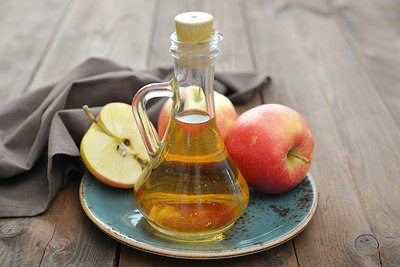
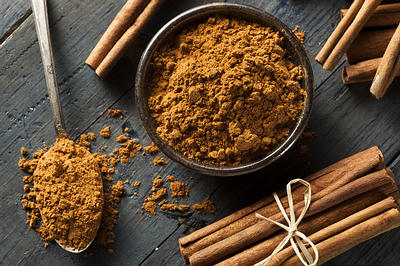
Baking soda is likely the most inexpensive health remedy in the world. It is effective at combating everything from colds to cancer, as well as beneficial for oral health, deodorants and so much more. If it’s one thing you want in your home pharmacy, its baking soda. Health benefits of baking soda include reduced risk and prevention of diarrhea, metabolic acidosis, acidity, peptic ulcer, and drug in-toxification. It has anti-ich or antipruritic properties which help in maintaining healthy skin. It is effective home remedy in cold and flu and plaque removal. It is a good source of sodium – prevents hyperkalemia, bladder infection and kidney stones. In this article we are going to talk about baking soda uses that you haven’t heard before:
Old Wives’ Remedy
After an intensive and hard exercise, you can drink a mixture of water and baking soda, to relieve your muscles.
Put some baking soda on a used nail brush and use it to scrub your nails to remove grime and nail fungus.
Make a mixture out of: 3 tbs. baking soda, 1 tbs. peppermint essential oil, 1 tbs. salt and warm water. Use this mixture to soak your hands and feet for 20 minutes, to relieve itching, soreness and odor.
Mix a baking soda with water and use it to gargle with it. It will make your breath fresh.
Use it as toothpaste. Sprinkle some baking soda on your toothbrush and brush your teeth with it. It’s the best home remedy for teeth whitening.
WHY BAKING SODA IS ONE OF THE GREATEST THINGS YOU COULD USE. HERE IS WHAT YOU DIDN’T KNOW BAKING SODA COULD DOWHY BAKING SODA IS ONE OF THE GREATEST THINGS YOU COULD USE. HERE IS WHAT YOU DIDN’T KNOW BAKING SODA COULD DO
You can use baking soda scrub to remove excess facial oil and dead skin cells on your face. You need to mix 1tbs. baking soda with 1 tsp. water and use it to gently scrub your face.
You can use baking soda to relieve bee stings, insect bites, itching from poison ivy, oak, etc.
Make a baking soda-water mixture and apply it to canker sores and herpes. It will dry them out very fast.
Home Remedies For Acid Reflux
You need to mix ½ tsp. baking soda with 2 tbs. of fresh lemon juice or organic apple cider vinegar. You should use a bigger cup to make this mixture, because it will fizz. Wait until the bubbling stops and then add 8 oz. water. You have to drink this remedy all at once. This mixture will neutralize the pH, it will help you relieve acid reflux and create and alkaline-forming environment in your body.
You can also use baking soda to relieve heartburn and GERD symptoms. All you have to do is mix ½ tsp. baking soda with 16 oz. water.
Other Baking Soda Home Remedies
In his book, Sodium Bicarbonate, Dr. Mark Sircus explains the findings of Dr. Simoncini, which are related with cancer overgrowth and explores alternative treatments with baking soda. Dr. Mark explains that if you wish to prevent systematic fungal infections and protect yourselves from diabetes and cancer, you should use a mixture of baking soda and molasses.
Mix baking soda and water and gargle with it. It will remove all the oral thrush.
Drink 8 oz. water mixed with ½ tsp. baking soda, twice a day. It will help you treat urinary tract infection.
You can also use baking soda mixture with lemon juice or apple cider vinegar to relieve a thrombosis.
Douche with a mixture of 1 tbs. baking soda mixed with warm water to kill Candida yeast and stop itching.
Warnings:
Baking soda remedies should not be used by pregnant or nursing women or children under the age of 5. You should be very careful when you use baking soda. Even though is safe when it’s used as directed, still, baking soda can cause some undesired side effects, especially when it interacts with prescription medications. That’s why you have to consult your doctor before you start using these baking soda home remedies. Another important thing you should know is that you can use baking soda after it’s been dissolved in liquid, never in its dry form. You should not use baking soda home remedies if you are on a low sodium diet, because it may deplete your body of essential vitamins and minerals. Also remember, don’t use baking soda remedies more than 14 days without consulting your doctor.
http://www.healthadvisorgroup.com/why-baking-soda-is-one-of-the-greatest-things-you-could-use-here-is-what-you-didnt-know-baking-soda-could-do-2/

Tuesday, February 9, 2016

Home Remedies for Autoimmune Diseases

Source: http://www.top10homeremedies.com/home-remedies/home-remedies-for-autoimmune-diseases.html

Autoimmune diseases include various conditions in which your immune system attacks healthy cells because it is unable to differentiate them from harmful foreign entities like bacteria.
The exact cause of this problem is still unknown. At times, the problem is triggered when a micro-organism or drug alters the behavior of immune cells. When these cells produce more cells, they collectively attack your healthy cells, causing an autoimmune disease.

Sometimes, the disease takes root in a particular organ. For instance, your immune system may attack your thyroid, which is usually diagnosed as Grave’s disease. (or Hashimotos Thyroiditis)

If it attacks your gastrointestinal tract, you may be diagnosed with a disease such as Crohn’s disease or ulcerative colitis.

Other times, the disease attacks a particular protein found throughout your body. When this happens, you may be diagnosed with a disease such as rheumatoid arthritis or ankylosing spondylitis. Inflammation is a huge, and often highly uncomfortable, side effect of these autoimmune diseases.

A conversation often skipped in the management of such diseases is natural home remedies.


Here are the top 10 home remedies for autoimmune diseases.
1. Turmeric

Turmeric contains a substance called curcumin that suppresses inflammation-boosting enzymes in autoimmune diseases like arthritis, Crohn’s disease and ulcerative colitis.

In a 2005 study published in Digestive Diseases and Sciences, 5 patients with Crohn’s disease and 5 patients with ulcerative colitis consumed pure curcumin doses.

Colitis patients showed reduced dependence on medication. Crohn’s disease patients showed reduced intensity of the disease.
Boil 1 cup of milk and add ½ teaspoon of turmeric powder in it. Allow it to simmer for a few minutes. Drink this daily before bed.
Alternatively, take 500 mg turmeric supplements 3 times daily. However, consult your doctor first.
Additionally, add turmeric in your meals.
2. Ginger

The anti-inflammatory properties in ginger can also help in dealing with autoimmune diseases. It helps reduce inflammation which is a common problem in autoimmune diseases.
Heat 1 to 1½ cup of water and 1 teaspoon of grated ginger or ginger slices to it. Let it simmer for 5 to 10 minutes. Strain it and add lemon juice and honey for taste. Drink this tea 2 or 3 times a day.
Also, add ginger in your cooking.
3. Coconut Oil

A 2010 study published in Pharmaceutical Biology reports that virgin coconut oil is especially high in anti-inflammatory and analgesic (pain-relieving) properties.

This makes it a highly effective treatment for inflammatory autoimmune diseases like ulcerative colitis, Crohn’s disease and spondylitis.

A 2008 study published in the Scandinavian Journal of Gastroenterology notes that Crohn’s disease and ulcerative colitis patients report excessive fungus buildup in their digestive tracts that further causes inflammation.

Coconut oil contains lauric acid that fights this inflammatory and disease-promoting bacteria buildup in these diseases. Furthermore, coconut oil contains fatty acids that promote metabolism in patients with Hashimoto thyroid.
Consume 2 to 3 tablespoons of virgin coconut oil daily to combat inflammation.
Additionally for arthritis and spondylitis pain, topically massage the affected areas with warm coconut oil 2 or 3 times every day to increase lubrication and reduce stiffness. Apply a heating pad after the massage for further relief.
4. Aloe Vera

Aloe vera contains lupeol and salicylic acid that have an analgesic (pain-relieving) effect, as well as certain chemical compounds, such as fatty acids that have an anti-inflammatory effect in arthritis, according to a 2014 study published in the Journal of Autoimmune Diseases and Rheumatology.

Furthermore, aloe vera helps regulate metabolism. Hence, it may prove effective in Grave’s disease and Hashimoto thyroid.
Cut an aloe plant leaf in half lengthwise and scoop out the gel into a bowl.
Put a glass of water and 2 tablespoons each of the extracted aloe gel and lemon juice in a blender.
Blend the mixture on high for 1 minute.
Drink the amount of juice that your doctor recommends.


Note: Since increased consumption of aloe vera can upset the gut, it is important to consult your doctor to determine the quantity of aloe juice you can consume daily.
5. Pineapple

Pineapple contains a class of enzymes called bromelain that has terrific anti-inflammatory properties.

A 2005 study published in Clinical Immunology, two patients of ulcerative colitis whose disease had remained largely unaffected by conventional medical therapies reported remission when they consumed a daily dose of pure bromelain.

The bromelain found in pineapples also provided relief in other inflammatory autoimmune diseases like rheumatoid arthritis and spinal spondylitis.
Peel and dice a fresh pineapple into small pieces, refrigerate it for 15 to 20 minutes and eat it daily.
Alternatively, put 1 fresh pineapple (peeled and diced) and 15 pieces of turmeric root (3 inches each) in a juicer. Juice it on high for 1 minute. Drink this juice 3 times daily to reduce inflammation.


Note: If you have stomach ulcers and or take blood-thinners (aspirin, warfarin and others), avoid consuming pineapple or pure bromelain extract as it could interact with these drugs.
6. Fish Oil

Fish oil contains essential fatty acids with anti-inflammatory benefits. It alleviates joint pain and stiffness and even reduces dependency on medication in patients with rheumatoid arthritis.

A 2000 study published in The Journal of Rheumatology notes that daily fish-oil supplementation reduced symptoms in rheumatoid arthritis patients.

Spinal spondylitis patients can also benefit from it. A 2006 study published in Surgical Neurology declared fish oil a safe anti-inflammatory treatment for neck and back pain.

The use of fish oil also has anti-inflammatory benefits in patients with ulcerative colitis and Crohn’s disease, although it does not maintain their remission, according to a 2014 study published in the World Journal of Clinical Cases. It may also cause gastrointestinal discomfort in Crohn’s disease patients.
Consume 1 to 2 teaspoons of fish oil every day.
Alternatively, take a 500 mg fish oil capsule daily.
For rheumatoid arthritis and spondylitis pain, you can also add 5 drops of fish oil to a warm bath and soak in it 3 times weekly.


7. Cayenne Pepper
Mix together 1 teaspoon each of cayenne pepper and organic honey. Consume 2 to 3 spoonfuls daily.
Alternatively, mix ½ teaspoon of cayenne pepper in a glass of water and drink it daily.
Additionally, in case of problems like rheumatoid arthritis and spondylitis pain, mix 2 tablespoons of cayenne pepper in ½ cup of coconut oil. Apply the mixture on the affected joints 2 or 3 times daily for relief. 8. Apple Cider Vinegar
Mix 1 tablespoon of organic apple cider vinegar in a glass of hot water.
Add 1 slice of ginger root and allow it to steep for 5 minutes.
Mix in 1 teaspoon of organic honey.
Consume this twice daily. 9. Cinnamon
Mix 1 teaspoon each of cinnamon powder and a little organic honey in a glass of warm water and drink it daily.
Additionally for relief in rheumatoid arthritis and spondylitis, mix 1 teaspoon of cinnamon powder in 5 teaspoons of honey. Apply it on the affected areas 2 or 3 times daily. 10. Oregano Oil
Using a dropper, mix 3 or 4 drops of oregano oil in a glass of water or juice. Drink it 3 times daily.

Additionally for rheumatoid arthritis and spondylitis, mix 1 or 2 drops of pure oregano oil in 1 teaspoon of coconut oil and apply it on your aching body parts.


Cayenne pepper contains a pain-relieving substance called capsaicin.


When you consume cayenne pepper or apply it topically, the capsaicin inhibits the activity of a chemical in your body responsible for transmitting pain signals to the brain.


For this reason, cayenne pepper is effective for rheumatoid arthritis and spinal spondylitis pain. It also improves overall blood circulation that further lubricates the stiff back and joints.


Note: Although it is anti-inflammatory, capsaicin increases intestine permeability and makes it easier for bacteria to enter the gut, making its consumption harmful for those with ulcerative colitis or Crohn’s disease.


Apple cider vinegar is also beneficial for autoimmune diseases. It contains vitamin B5 (pantothenic acid) that helps reduce swelling and inflammation. The calcium, manganese, potassium and phosphorus in it further eases joint pain.


Apple cider vinegar also accelerates metabolism, thereby proving beneficial for people with Grave’s disease.


Although it is popularly used as a remedy for diabetes and high blood pressure, cinnamon is also good in the treatment of autoimmune diseases.


A 2015 study published in Food and Function notes that Sri Lankan cinnamon is one of the most potent varieties, and regular cinnamon is an effective anti-inflammatory remedy in the treatment of chronic diseases like rheumatoid arthritis.


Furthermore, cinnamon contains powerful antibacterial properties that suppress the activity of the excess bacteria that line the gut in ulcerative colitis and Crohn’s disease patients, which promotes the disease and exacerbates inflammation.


The anti-inflammatory properties of oregano oil also make it an important treatment for autoimmune diseases like rheumatoid arthritis and spondylitis.


Note: Because of its highly potent nature, consult your doctor before adopting any oregano-based health regimes.


Resources:


http://www.ncbi.nlm.nih.gov/pubmed/16240238

http://pubs.rsc.org/en/content/articlelanding/2015/fo/c4fo00680a#!divAbstract

http://www.ncbi.nlm.nih.gov/pubmed/20645831

http://www.ncbi.nlm.nih.gov/pubmed/18584522

http://www.ncbi.nlm.nih.gov/pubmed/16531187

http://europepmc.org/abstract/med/11036827

http://www.ncbi.nlm.nih.gov/pubmed/24585498

http://www.sciencedirect.com/science/article/pii/S152166160500152X

http://www.ncbi.nlm.nih.gov/pubmed/20679979

Tuesday, January 12, 2016

Honey and Cinnamon Benefits and Natural Cures


Cinnamon and Honey Natural Cures Title
Could the honey and cinnamon cure work for you? Cinnamon has been used by Chinese and Ayurvedic folk medicine for over 2,000 years and honey also has a rich history dating back to ancient Greek, Roman, Vedic, and Egyptian texts.
The healing properties of honey were even referenced by Aristotle (384 – 322 BC) and Aristoxenus (320 BC). Countless stories from people being cured from everything from diabetes (type 2) to acne have filled the natural health testimonials since honey and cinnamon were first discovered.
Here are some of the most historically common ways honey and cinnamon have been used to treat and heal various health conditions:

Honey and Cinnamon Cure Under Fire

Honey and Cinnamon natural cures List Ever since Beatrice Dexter wrote an article for The Weekly World News tabloid in 1995 claiming that honey and cinnamon can cure virtually anything, this tasty combo has been under hot scrutiny by health enthusiasts and scientists alike.
At this point, conclusive evidence suggesting that a honey and cinnamon mixture will produce miraculous results is lacking in the scientific literature, which is why the medical community is quite reluctant to recommend it to their patients.
However, in my opinion, if you take the individual healing properties of each, it is not preposterous to assume that if one is good by itself, then the two combined can only be great!
I see this a lot in essential oil studies where specific blends have healing property several times more potent than the individual ingredients and I suspect the same thing is true with honey and cinnamon.

Honey and Cinnamon Health Benefits

Cinnamon (cassia) has been shown to be especially beneficial in treating digestive disorders, menstrual discomfort and joint pain because of its high content of cinnamaldehyde (the anti-inflammatory molecular compound that gives cinnamon its flavor and odor).
Honey is also known for its anti-inflammatory properties, in addition to being full of nutrients such as:
  • Amino acids
  • Vitamin C
  • Riboflavin
  • Niacin
  • Vitamin B6
  • Folate
  • Calcium
  • Iron
  • Magnesium
  • Phosphorus
  • Potassium
  • Zinc
At the end of the day, recent research is just tapping into the powerful antimicrobial, anti-inflammatory and antioxidant characteristics of honey and cinnamon. It is most likely that these powerful healing properties have led to “miracle” healings for countless people since the beginning of time.

8 Medicinal Uses for Honey and Cinnamon

The reasons these two superfoods create such a powerful effect on the body vary, but they generally center on their ability to control inflammation, combat free radicals and boost the immune system. Some other common health benefits oftentimes experienced by people mixing honey and cinnamon together are:
1. Allergies – A perfect example of how cinnamon can help with allergies can be seen in an Egyptian study that evaluated its ability to control the powerful allergen house mites. This allergen has become a global problem and the University of Kentucky College of Agriculture, Food and Environment states that at least 45% of young people with asthma are allergic to house dust mites!
Researchers from Egypt tested the effect that various essential oils had in killing the highly allergic house mite and found that cinnamon was the most potent agent.
Regarding honey, taking just a teaspoon of local raw honey every day can boost your immune system by helping build a tolerance to local pollen and naturally fight allergies.
The International Archives of Allergy and Immunology published an article that tested this theory and discovered that pre-seasonal use of birch pollen honey helped people with birch pollen allergies by lowering total symptoms by 60%, experiencing twice as many asymptomatic days, having 70% fewer days with severe symptoms, and by using 50% less antihistamines compared to the group that took conventional meds.
2. Diabetes – Recent studies published out of the journals Nutrition Research and Parmacognosy Research suggest that up to 1,500 mg of cinnamon supplementation benefits the lipid profile, liver enzymes, insulin resistance, and high-sensitivity C-reactive protein in diabetics and people with nonalcoholic fatty liver disease patients (the #1 cause of liver disease in the world).
According to a study out of Dubai, honey has been observed to cause a lower elevation of plasma glucose levels in diabetics compared to dextrose and sucrose. Some suggest that the insulin boosting power of cinnamon can counteract this glucose elevation in honey, which would make your honey/cinnamon mixture a low glycemic index food!
3. Acne & Skin Infection – Cinnamon oil mixed with honey is used all over the world to treat skin conditions such as acne and skin infections because of its antimicrobial capacity.
Researchers from Iran have even discovered that because of its antibacterial, anti-inflammatory and antioxidant properties honey is actually more potent in treating wounds and burns and result in less skin infection than conventional medicine!
4. Common Cold – In a study published in the American Journal of Chinese Medicine, cinnamon essential oil was found to be highly effective in slowing the growth of a number of bacteria and fungus including E. coli, Candida, and Staph aureus (microorganisms that can cause a number of diseases including the common cold).
Essentially, when regularly combined with immune-boosting raw honey, many people never get sick at all. Or, if they do get sick with the common cold, they recover rapidly!
5. UTI – The Iran Journal of Medical Sciences published a study this past year that evaluated 28 plant extracts against Gram-negative such as E. coli (the main cause of urinary track infections).
Cinnamomum zeylanicum ranked in the top 4 most potent, which provides an explanation to why people who supplement cinnamon and antibacterial honey into their diets reportedly suffer from less UTI’s than people who don’t.
6. Digestive issues – Honey and cinnamon have become quite popular in managing digestive issues such as constipation, nausea, and ulcers. Because honey is predigested nectar, it is easy for the body to break it down, which can soothe an aggravated system.
Cinnamon, because of its antimicrobial characteristics, has helped countless people with bacterial overload in their digestive system; especially with people suffering from an E. coli infection as you just read in the study out of Iran.
7. Energy – Chinese folk medicine has used cinnamon to promote a healthy flow vital energy for centuries, and because of its insulin-boosting property, cinnamon has been known to give people energy as it stabilizes your blood sugar.
And, of course, honey is pure energy. So, when you take a teaspoon mixture of the two, you get a low-glycemic boost to help fuel your burst training or when you simply need a pick-me-up throughout the day!
8. Gingivitis – The past few years, several studies have come out claiming that Manuka honey can help cure gingivitis and periodontal disease.
Due to its superior antimicrobial properties, researchers from the School of Dentistry, University of Otago, Dunedin, New Zealand discovered that chewing/sucking on a Manuka honey product not only caused a 35% decrease in plaque, it led to a 35% reduction in bleeding sites in people suffering from gingivitis!
When combined with the powerful antimicrobial cinnamon, regular use of the amazing mixture can do wonders to your smile!  Honey and cinnamon benefits are proving to be a winning combination.
To make this amazing and simple recipe just mix:
  • 1 cup hot water
  • 1 tbsp raw honey
  • 1 tsp cinnamon
To learn more about cinnamon, read my article: 7 Essential Cinnamon Benefits.
To learn more about raw honey, read my article: Raw Honey Health Benefits.
Do you eat honey and cinnamon? What honey and cinnamon benefits have you found from this amazing superfood mixture?
References:
  • NCCAM. Cinnamon. [Internet]. No copyright – public domain. Available at: http://nccam.nih.gov/health/cinnamon
  • Potter M. House dust mites. [Internet]. Copyright 2010. Available at: http://www2.ca.uky.edu/entomology/entfacts/ef646.asp.
  • Saad el-Z, et al. Acaricidal activities of some essential oils and their monoterpenoidal constituents against house dust mite, Dermatophagoides pteronyssinus (Acari: Pyroglyphidae). J Zhejiang Univ Sci B 2006; 7(12):957-62.
  • Ooi LS, et al. Antimicrobial activities of cinnamon oil and cinnamaldehyde from the Chinese medicinal herb Cinnamomum cassia Blume. Am J Chin Med 2006; 34(3):511-22.
  • Yaghoobi R, et al. Evidence for Clinical Use of Honey in Wound Healing as an Anti-bacterial, Anti-inflammatory Anti-oxidant and Anti-viral Agent: A Review. Jundishapur J Nat Pharm Prod 2013; 8(3):100-104
  • Saarinen K, et al. Birch pollen honey for birch pollen allergy–a randomized controlled pilot study. Int Arch Allergy Immunol 2011; 155(2):160-6.
  • Askari F, et al. Cinnamon may have therapeutic benefits on lipid profile, liver enzymes, insulin resistance, and high-sensitivity C-reactive protein in nonalcoholic fatty liver disease patients. Nutr Res 2014; 34(2):143-8.
  • Al-Waili NS. Natural honey lowers plasma glucose, C-reactive protein, homocysteine, and blood lipids in healthy, diabetic, and hyperlipidemic subjects: comparison with dextrose and sucrose. J Med Food 2004;7(1):100-7.
  • Ranasinghe P, et al. Effects of Cinnamomum zeylanicum (Ceylon cinnamon) on blood glucose and lipids in a diabetic and healthy rat model. Pharmacognosy Res 2012; 4(2):73-9.
  • English HK, et al. The effects of manuka honey on plaque and gingivitis: a pilot study. J Int Acad Periodontol 2004; 6(2):63-7.


SOURCE: http://draxe.com/honey-cinnamon-benefits/


The Amazing Benefits of Honey and Cinnamon


EVEN DOCTORS ARE AMAZED BY THIS REMEDY: IT PREVENTS HEART ATTACK, LOWERS CHOLESTEROL AND BOOSTS YOUR IMMUNE SYSTEM

Scientists, doctors and other medical experts claim that regular consumption of honey in combination with cinnamon is a powerful remedy which can be used against many diseases.
For more than 4000 years, honey has been used as a traditional remedy for almost every disease. The Egyptians used it to treat wounds, the Greeks for a long life, and the Indians to maintain balance in the body. Modern medicine shows us that these beliefs were true.
Remedy for Cardiovascular Disease
In the morning, instead of marmalade or jam, put a little honey and cinnamon on a slice of bread. If you regularly consume this combination, it will help you reduce the blood cholesterol levels and prevent the risk of having a heart attack.
Against Arthritis
In a cup filled with boiled water, mix two tablespoons of honey and a tablespoon cinnamon. Drink this drink in the morning and evening. With regular use, this drink will help in the treatment of chronic arthritis.
honey-and-cinamon
Against Infections of Gallbladder
If you have any infection of the gallbladder, you can consume the above-mentioned mixture, but this time change the amount of honey and cinnamon. In the cup of boiling water, put two teaspoons of cinnamon and a large spoonful of honey.
Against Colds
If you have problem with frequent colds, make a mixture of large tablespoon of honey and a quarter teaspoon of cinnamon. This habit will help with your cold treatment, chronic cough and sinus congestion.
Strengthens the Immune System
It is recommended that you use these ingredients on daily basis. They protect your body naturally from bacteria and viruses.
source: http://www.healthylifetricks.com/even-doctors-are-amazed-by-this-remedy-it-prevents-heart-attack-lowers-cholesterol-and-boosts-your-immune-system/


17 Reasons to Use Honey and Cinnamon

17-reasons-to-use-honey-and-cinnamon

People of many cultures have been using honey and cinnamon to treat many different health situations for centuries. Folk wisdom still retains knowledge of the healing properties of both raw honey and cinnamon.

1. ARTHRITIS: Take daily, morning and night, one cup of hot water with two teaspoons honey and one small teaspoon cinnamon powder. If taken regularly even chronic arthritis can be cured.
2. BLADDER INFECTIONS: Take two tablespoons of cinnamon powder and one teaspoon of honey in a glass of lukewarm water and drink it. It destroys the germs in the bladder.

cinnamon

3. CHOLESTEROL: Two tablespoons of honey and three teaspoons of cinnamon powder mixed in 16 ounces of tea water reduces the level of cholesterol in the blood by 10 percent within two hours.
4. COLDS: Take one tablespoon lukewarm honey with 1/4 teaspoon cinnamon powder daily for three days to cure most chronic cough, cold, and clear the sinuses.

5. HEART DISEASES: Make a paste of honey and cinnamon powder, apply on wheat-bread f or daily breakfast to reduce the cholesterol in the arteries and save the patient from heart attack.
6. UPSET STOMACH: Cures stomach ache and also clears stomach ulcers from the root.
7. GAS: If Honey is taken with cinnamon powder the stomach is relieved of gas.
8. IMMUNE SYSTEM: Daily use of honey and cinnamon powder strengthens the immune system and protects the body from bacterial and viral.
9. INDIGESTION: Cinnamon powder sprinkled on two tablespoons of honey taken before food relieves acidity and digests the heaviest of meals.
10. INFLUENZA – FLU: honey contains a natural ingredient which kills the influenza germs and saves the patient from flu.
11. LONGEVITY: Take daily, four spoons of honey, one spoon of cinnamon powder, and three cups of water and boil to make like tea to arrests the ravages of old age.
12. PIMPLES: Apply three tablespoons of honey and one teaspoon of cinnamon powder paste on the pimples before sleeping and wash it next morning with warm water for two weeks to remove pimples from the root.
13. WEIGHT LOSS: Daily in the morning one half hour before breakfast on an empty stomach, and at night before sleeping, drink honey and cinnamon powder boiled in one cup of water to avoid fat to accumulate in the body.

honey

14. SKIN INFECTIONS: Apply honey and cinnamon powder on the affected parts cures eczema, ringworm and all types of skin infections.
15. FATIGUE: Sugar content of honey is more helpful rather than being detrimental to the strength of the body. Half tablespoon of honey taken in a glass of water and sprinkled with cinnamon powder, taken daily after brushing and in the afternoon increases the vitality of the body within a week.
16. CANCER: Advanced cancer of the stomach and bones have been cured successfully taking one tablespoon of honey with one teaspoon of cinnamon powder for one month three times a day.

17. HEARING LOSS: Daily morning and night honey and cinnamon powder, taken in equal parts helps restore hearing.

Keep these two powerhouses on hand in your home-remedy medicine chest.

How To make cinnamon and honey recipe:

All you need is cinnamon, honey and water! You need 2 tablespoons of honey and 1 tablespoon of cinnamon for a cup of water. It’s so simple! Bring everything to boil and simmer until it becomes smooth. Let it cool down or drink it warm. I prefer using raw honey and to grind the cinnamon stick myself to get fresh cinnamon powder. Enjoy!